Runhe Hydraulics offers a variety of gear pump models.
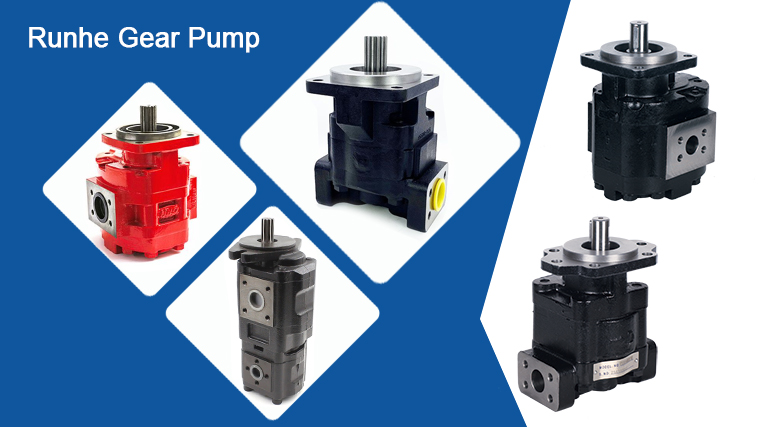
hydraulic gear pump catalogue
A comprehensive and practical hydraulic gear pump catalog serves as a powerful reference for customer selection, installation, and maintenance, enabling efficient and stable hydraulic applications. Hebei Runhe Hydraulic Machinery Co., Ltd. provides you with an accurate and detailed product catalog to assist in precise selection.
1. Precise Matching Based on Key Parameters
Flow Rate Parameters: Flow rate indicates the hydraulic gear pump's capacity to deliver fluid per unit time. During selection, determine the required flow rate based on the actual fluid delivery demands of the equipment in operation. For instance, in scenarios requiring high-flow delivery—such as large-scale stamping equipment or continuous casting production lines—select hydraulic gear pump models with a wider flow range to ensure sustained, substantial fluid supply. Conversely, for smaller precision equipment with relatively lower flow requirements, choose pumps with moderate flow rates to avoid resource wastage.
Pressure Parameters: Pressure determines a hydraulic gear pump's ability to overcome resistance. Different operating conditions demand vastly different pressure levels. In precision machining equipment—such as high-accuracy CNC machine tools and optical instrument processing systems—extremely high pressure precision is required. Selecting a hydraulic gear pump with stable pressure and high accuracy ensures the precision and stability of the machining process. For ordinary industrial equipment, pressure requirements are relatively lower, allowing selection of pump models within an appropriate pressure range based on actual conditions.
Speed Parameters: Rotational speed impacts the output flow rate and power of hydraulic gear pumps. When selecting a pump, consider the speed range required by the equipment. If high-speed operation is needed, choose a pump model capable of stable performance at elevated speeds. For equipment operating at lower speeds, select a gear pump suitable for low-speed operation to ensure optimal efficiency and performance.
2. Consideration of Special Operating Conditions
High-Temperature Conditions: In high-temperature environments, the sealing materials and lubricants of hydraulic gear pumps are affected. Therefore, sealing materials capable of withstanding high temperatures, such as fluororubber, should be selected. Simultaneously, high-temperature-resistant lubricants should be used to ensure the pump maintains proper sealing and lubrication under high-temperature conditions, thereby reducing leakage and wear.
Low-Temperature Conditions: Low temperatures increase hydraulic oil viscosity, affecting pump startup and operation. In such conditions, select hydraulic gear pumps with excellent low-temperature startup performance and use hydraulic oil with superior low-temperature properties to ensure smooth startup and stable operation in cold environments.
Corrosive Conditions: When handling corrosive media like acids or alkali solutions, the pump body and gears must exhibit corrosion resistance. Opt for pump bodies constructed from corrosion-resistant materials such as stainless steel, or apply specialized anti-corrosion coatings to the pump surface to extend service life.
3. Comparing the Advantages and Disadvantages of Different Models
Efficiency: Different models of hydraulic gear pumps may exhibit varying levels of efficiency. High-efficiency pumps minimize energy loss during conversion, effectively transforming input mechanical energy into hydraulic energy. This reduces energy consumption and enhances overall system efficiency. When selecting a pump, prioritize models with higher efficiency ratings.
Noise: Noise levels are another critical factor in pump selection. In environments with strict noise requirements, such as hospitals or laboratories, low-noise hydraulic gear pumps should be selected to minimize impact on surrounding areas and personnel.
Lifespan: Pump lifespan directly affects equipment operating costs and maintenance cycles. Generally, hydraulic gear pumps with reliable quality and advanced manufacturing processes offer longer service lives. When selecting models, refer to product quality certifications and user reviews to choose pumps with extended lifespans.
4. Pay Attention to Installation Space
Insufficient installation space may prevent the hydraulic gear pump from being installed properly or cause interference with other equipment after installation, affecting pump operation and maintenance. Additionally, improper layout of installation space may impair heat dissipation and ventilation, leading to elevated pump temperatures and compromised performance.
Before selecting a pump model, accurately measure the installation space dimensions, including length, width, and height. Choose a hydraulic gear pump with appropriate dimensions based on the available space, ensuring sufficient room for heat dissipation and ventilation after installation. Simultaneously, consider the pump's inlet/outlet orientation and piping connection methods to ensure easy installation without interference with other equipment.
gear pump catalogue pdf
bosch hydraulic pump catalog
bosch rexroth gear pump catalogue
boss pump catalog pdf
parker hydraulic gear pump catalog
eaton hydraulic pumps catalog
bosch hydraulic gear pumps
vickers gear pump catalog